Discover the Core of Resistance: Visiting the Warsaw Uprising Memorial Museum
The Warsaw Uprising Museum stands as a testament to human resilience against tyranny. It offers a remarkable insight into the sacrifices made during one of history's most defining moments. Visitors can engage with immersive exhibits that highlight firsthand narratives and communal recollections. This exploration of the past raises important questions about freedom and the ongoing struggle for democratic values. What wisdom can be extracted from these stories, and how do they remain relevant in the present?
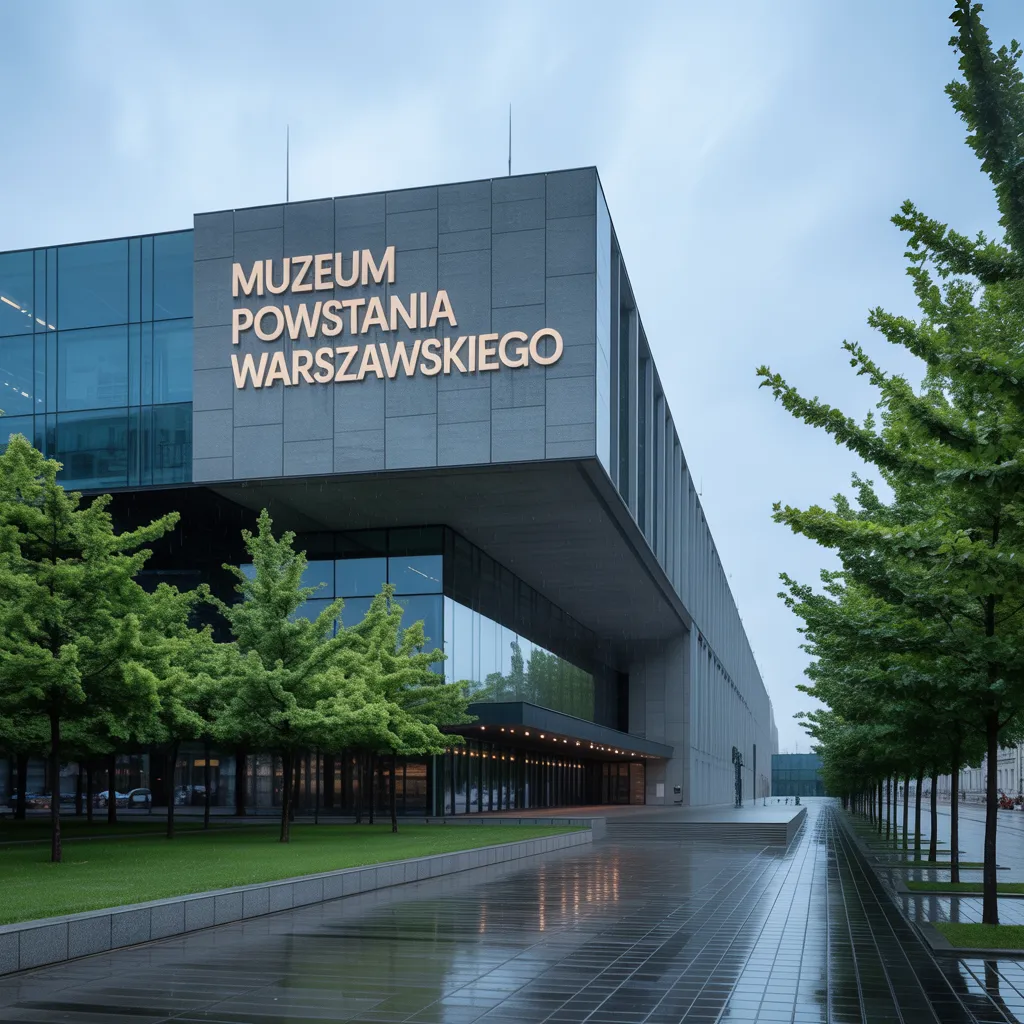
Why The Warsaw Uprising Matters Today
The significance of the historic Warsaw Uprising holds great weight in today's world, symbolizing strength against subjugation. This landmark historical occurrence, which took place during World War II, illustrates the valor of the people who stood against oppression, rendering it a significant benchmark for contemporary battles against authoritarian forces. The insurrection stands as a testament to the price paid for liberty, fostering a spirit of responsibility to copyright democratic values today.
At a time defined by increasing nationalism and populist sentiment, the lessons of the Warsaw Uprising encourage watchfulness against the undermining of civil freedoms. It additionally nurtures a mutual recognition of the value read here of collective action in advocating for human rights. Moreover, the uprising unites generations, joining the stories of historical heroes with modern justice movements. Consequently, its legacy continues to inspire people and communities across the globe, highlighting the ongoing struggle for freedom and equality.
Discover Key Exhibits and Personal Stories
While visiting the Warsaw Uprising Museum, guests are able to explore remarkable displays that bring the harrowing experiences of those involved to life. The collection housed within the museum features documents, personal mementos, and photographs that depict the everyday hardships endured by civilians and fighters alike. One poignant exhibit features an assembly of handwritten letters from insurgents, exposing their innermost hopes and anxieties throughout the conflict. A further exhibit illuminates the narratives of households that were uprooted, underlining the devastating human cost of war.
Furthermore, the museum displays military attire and arms used during the rebellion, offering insight into the challenging conditions. The narrative is enhanced by audio recordings of eyewitnesses sharing their stories, lending a deeply personal touch to the historical events. These exhibits not only inform guests about the rebellion but also recognize the resilience and bravery of the individuals who defended their city, connecting history with contemporary audiences.
Top Interactive Exhibits to Visit at The Museum
How can interactive exhibits enhance the understanding of the Warsaw Uprising? At the Warsaw Uprising Museum, these exhibits offer a dynamic way to engage with history. One remarkable exhibit lets visitors traverse a virtual map of the city as it stood during the uprising, offering insight into the geographical difficulties that insurgents faced. Yet another captivating experience reproduces the sounds of battle, immersing guests in the intense atmosphere of the resistance movement.
Furthermore, the museum showcases a compelling interactive wall where attendees can submit thoughts and messages, encouraging a meaningful connection to the historical narrative. Digital touchscreens feature eyewitness stories from historical witnesses, connecting the divide between then and now. Such interactive features not only enlighten but also evoke empathy, rendering the intricacies of the Warsaw Uprising clearer and more meaningful. Through these innovative installations, the museum shapes learning about history into an immersive exploration that resonates deeply with all who attend.
Guidelines For Your Visit To The Museum
What essential tips can enhance a visit to the Warsaw Uprising Museum? Initially, visitors should plan to spend at least two to three hours thoroughly exploring the exhibits. It is suggested that visitors reserve tickets online beforehand to prevent long waits, especially during high tourist seasons. Audio guides are available and recommended, as they provide valuable context and deeper insights into the exhibits.
Getting there early in the day can also enhance the experience, allowing for a quieter atmosphere. Comfortable footwear is essential, as the exhibition requires considerable walking and time on your feet. Furthermore, attendees should consider looking at the museum's timetable for special events, workshops, or guided tours that could enrich their understanding. As a final tip, engaging with the museum staff for recommendations can open the door to lesser-explored exhibits and accounts that illustrate the enduring spirit of Warsaw's people during the uprising.
How The Uprising Forms Modern Polish Identity
The Warsaw Uprising stands as a landmark event in Polish history, deeply shaping the nation's collective identity. This remarkable 1944 rebellion against Nazi forces symbolizes courage, resilience, and the struggle for freedom. The Uprising has grown into a fundamental touchstone in contemporary Polish national identity, nurturing a sense of unity among people who regard it as an homage to their common heritage and principles.
In modern-day Poland, the Uprising is honored in a variety of ways, from official gatherings to cultural celebrations, deepening a communal memory that influences national awareness. The courage displayed during the Uprising is honored through literature, cinema, and art, acting as a source of national pride.
In addition, the Uprising's remarkable influence prompts persistent discussions about historical memory, sacrifice, and democracy, influencing public discourse and civic participation. Thus, the Warsaw Uprising remains a fundamental element of the Polish national identity, capturing the lasting spirit of resistance and the quest for sovereignty.
Motivating Future Generations Through The Museum
The Warsaw Uprising Memorial Museum serves a vital function in teaching younger audiences through its interactive exhibits, which connect them to the pivotal occurrences of the rebellion. In maintaining these accounts, the memorial not only commemorates what came before but also instills a sense of responsibility in future generations. This methodology fosters a more profound appreciation of history and its ongoing impact on Poland's cultural heritage.
Learning Through Interactive Exhibits
Although numerous museums seek to conserve history, the Warsaw Uprising Memorial Museum takes a distinctive approach by captivating visitors with hands-on exhibitions. These meticulously planned displays invite individuals to immerse themselves in the experiences of those who lived through the uprising. By employing multimedia presentations, virtual reality experiences, and hands-on activities, the museum cultivates a profound appreciation of the historical significance and emotional impact of the events. Visitors can explore authentic artifacts and engage in storytelling that transforms history into a living experience, ensuring it resonates with future generations. This interactive methodology not only educates but also inspires empathy and critical thinking, ensuring that the lessons of the uprising resonate well beyond the confines of the museum, influencing the outlooks of tomorrow's leaders.
Maintaining the Impact of Historical Narratives
By means of its immersive displays, the Warsaw Uprising Museum not only enlightens guests but also fulfills a significant purpose in maintaining historical narratives that connect with those who follow. By highlighting individual accounts, artifacts, and multimedia presentations, the museum encourages a deeper awareness of the Uprising's historical impact. This connection helps to guarantee that the offerings made during this crucial period in history are not lost. The museum emphasizes the value of collective memory, resilience, and bravery, encouraging young people to consider their own values and responsibilities. As guests engage personally with the past, they are inspired to become engaged contributors in creating a more equitable future. Consequently, the museum functions as a vital channel for conveying these essential accounts through generations.
Personal Accounts That Bring History to Life
Amidst the remnants and collections of the Warsaw Uprising Museum, individual stories rise as powerful demonstrations of endurance and valor. Each narrative, regardless of whether it comes from a fighter or a resident, provides a deeply moving window into the lived reality during one of the most somber chapters in history. The museum showcases written correspondence, journals, and spoken accounts that express the sentiments of sorrow, aspiration, and courage, permitting attendees to engage with these events in an intimately meaningful way.
These stories illuminate the nuances of survival, demonstrating how ordinary individuals became extraordinary heroes. They expose the moral dilemmas faced during the uprising and the bonds forged in adversity. By sharing these deeply personal stories, the museum not only preserves history but also highlights the significance of individual voices in shaping collective memory. At their core, these individual accounts redefine the perception of the uprising, allowing it to resonate in contemporary discussions about resistance and identity.
Commonly Asked Questions
What Are the Museum's Operating Hours and Admission Fees?
The museum is open seven days a week between 10 AM and 6 PM, with extended hours on Thursdays until 8 PM. Admission fees are 25 PLN for adults, whereas students and seniors receive discounted admission at 15 PLN.
Can You Take a Guided Tour at the Warsaw Uprising Museum?
Absolutely, guided tours are offered at the Warsaw Uprising Museum. Such tours offer in-depth insights into the historical exhibits and context, enhancing visitors' understanding of the historical events and importance of the uprising. Advance reservations are strongly advised.
Is Photography Allowed Inside the Museum?
Taking photographs is typically not allowed inside the museum to preserve the exhibits and respect the solemnity of the space. Attendees are kindly asked to appreciate the experience without the use of cameras, concentrating on the profound historical value of the displays.
Are There Any Gift Shops or Cafés Located On-Site?
The museum includes both a gift shop and a dining area on-site. Patrons have the opportunity to shop for keepsakes and indulge in light refreshments, adding to the enjoyment of their trip while learning about the historical value of the museum's collections.
Do You Have Any Special Events or Exhibitions Planned?
The museum frequently organizes special events and exhibitions. Upcoming programs feature talks, cinematic screenings, and engaging displays, offering guests a more profound understanding of the historical significance of the Warsaw Uprising and its enduring legacy.